




Time
Aug 2024 – Present
Team
6 Developers · 2 Visual Designers · 7 Product Designers (including me)
Outcome
Simplified the primary logging flow, introduced smart notifications, and established a consistent visual brand system.


Aug 2024 – Present
6 Developers · 2 Visual Designers · 7 Product Designers (including me)
Simplified the primary logging flow, introduced smart notifications, and established a consistent visual brand system.
Impulse is a B2C social accountability app designed for young professionals who want to build healthier habits together.
As a Product Designer at Impulse, I joined during its beta phase, right when the team noticed a critical problem: many users loved the idea of the app but quickly stopped using it.
Since Impulse is a B2C app, even small frustrations can cause users to stop using it. To understand the drop-off, I combined three research approaches:
I conducted 12 interviews and 5 usability tests with both new and returning users. These sessions revealed some of their struggles:
8-step flow took 45s, too long for daily use.
Unclear layout led to 80% tapping the wrong buttons.
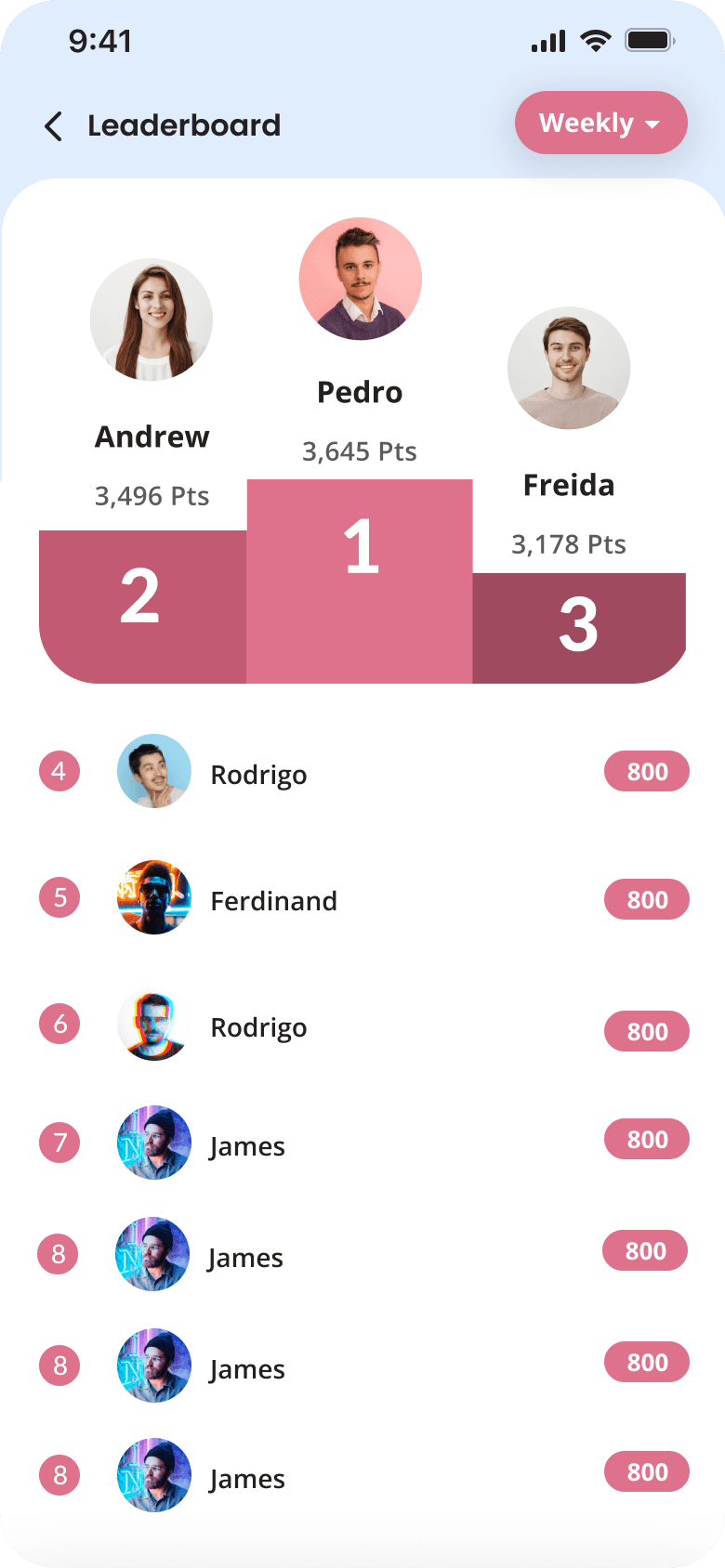
Hard to build habits without reminders.
Submit as many design requests as you need, one at a time.
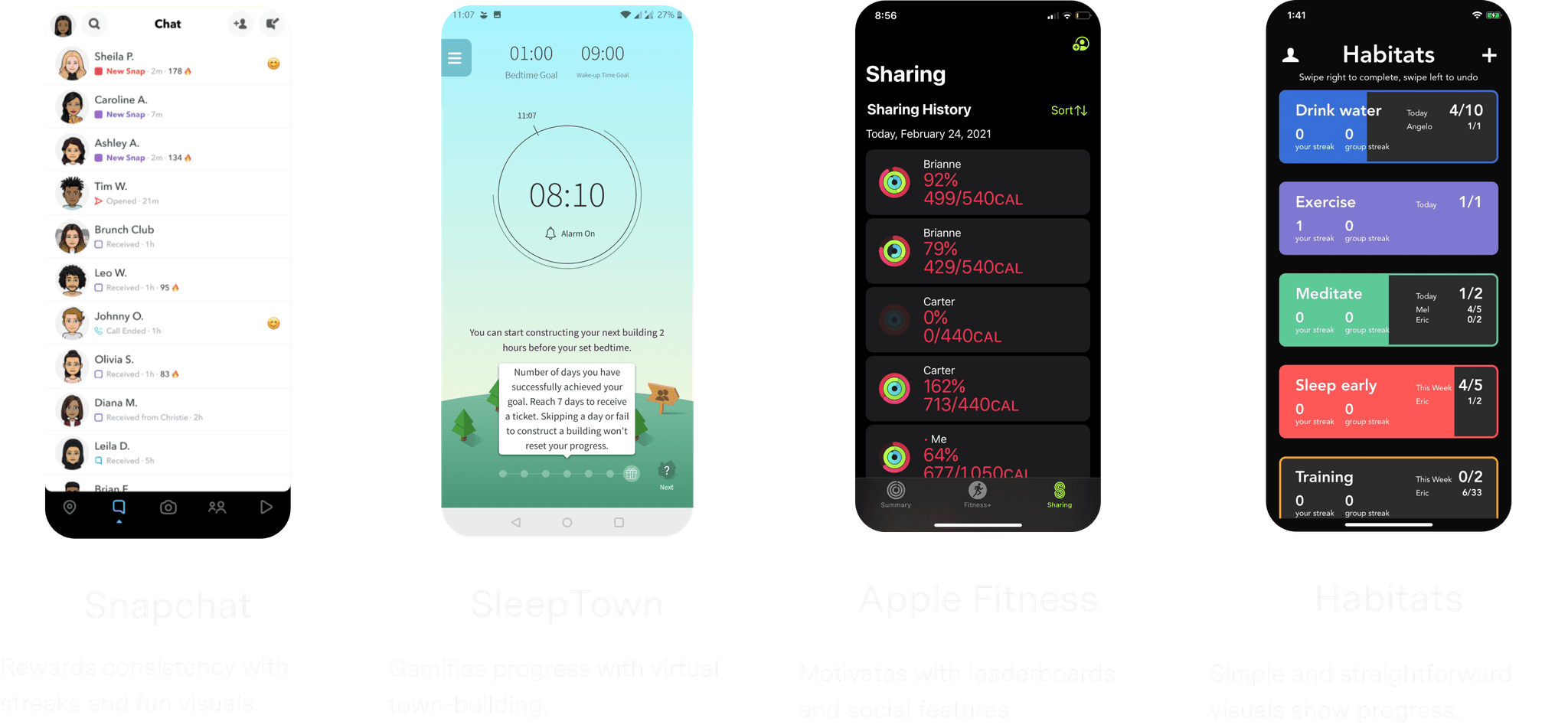
After spotting our internal issues, I turned to competitor analysis. I studied how other successful habit tracking apps tackled similar problems:
How they structured their habit flows
How they motivated users with nudges and streaks
How they balanced flexibility and simplicity
I watched both new and long-term users interact with the app without guidance. This helped me:
Spot moments of hesitation or drop-off
Notice which features they returned to (or ignored)
Understand what motivated consistent use
This step was key in translating research into flows and features that fit real-world habits.
Based on what I learned from user feedback, competitor insights, and behavioral patterns, I set three clear design goals to guide the redesign.
Simplify the goal logging flow
Support users with reminders
Build a design system
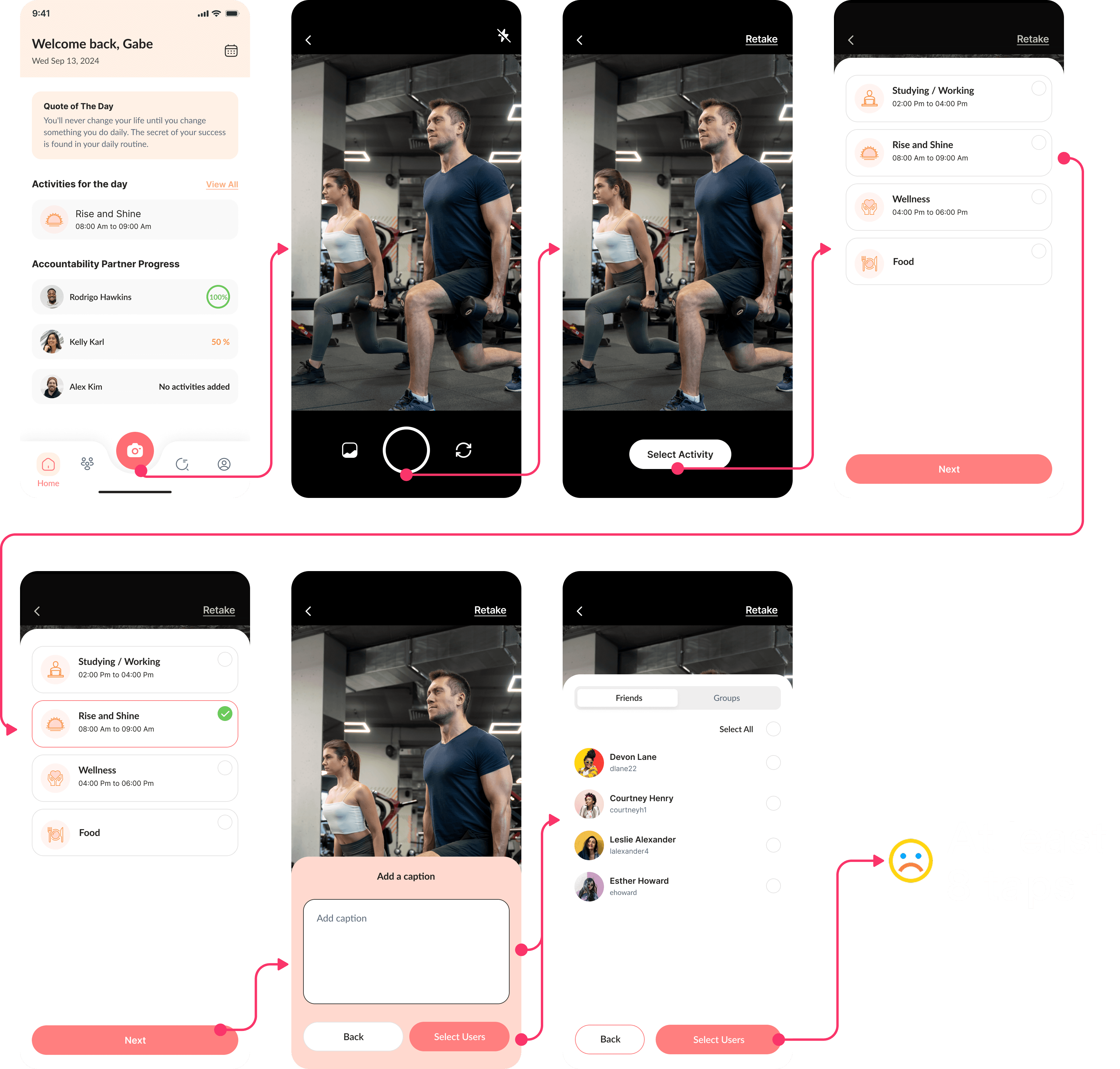
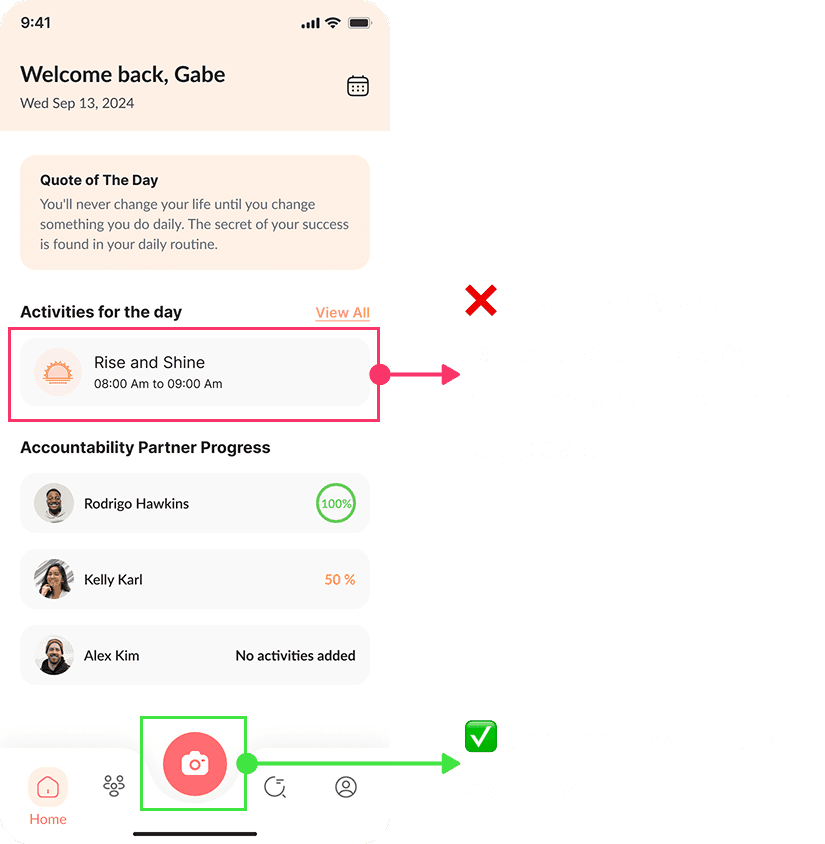
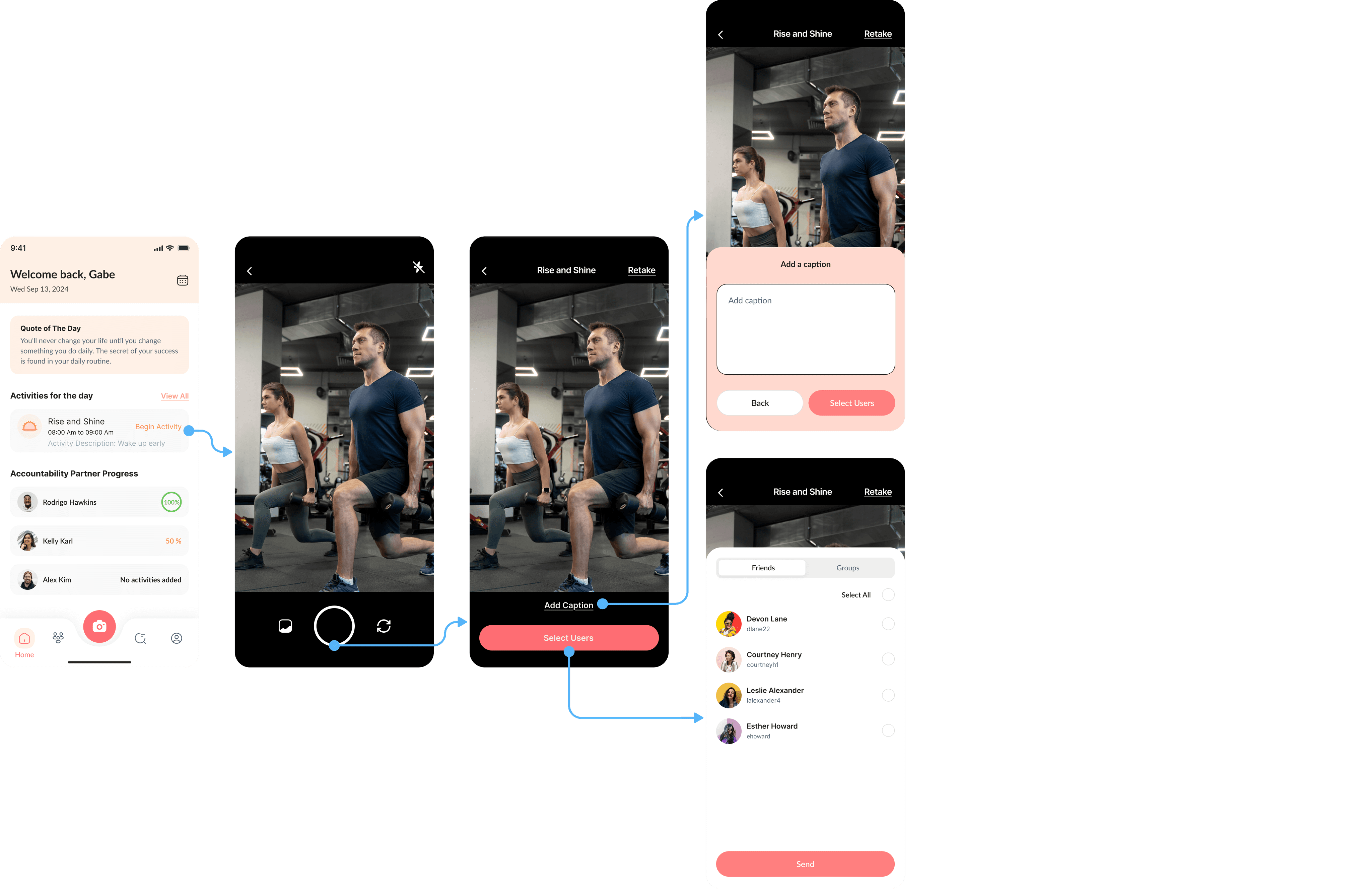
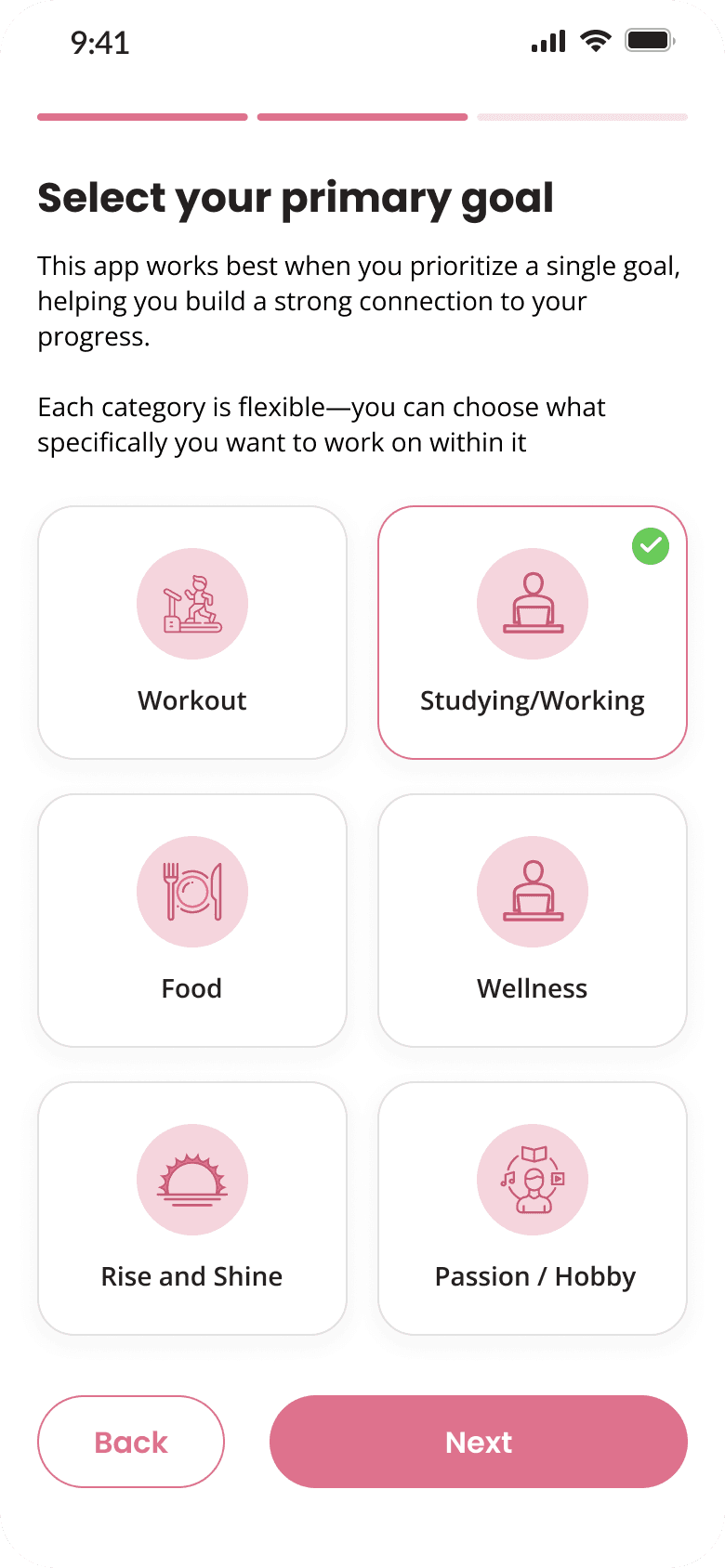
The original logging process took over 23 seconds and frustrated users. I redesigned it to support two natural mental models:
Some started with a goal in mind, then logged it
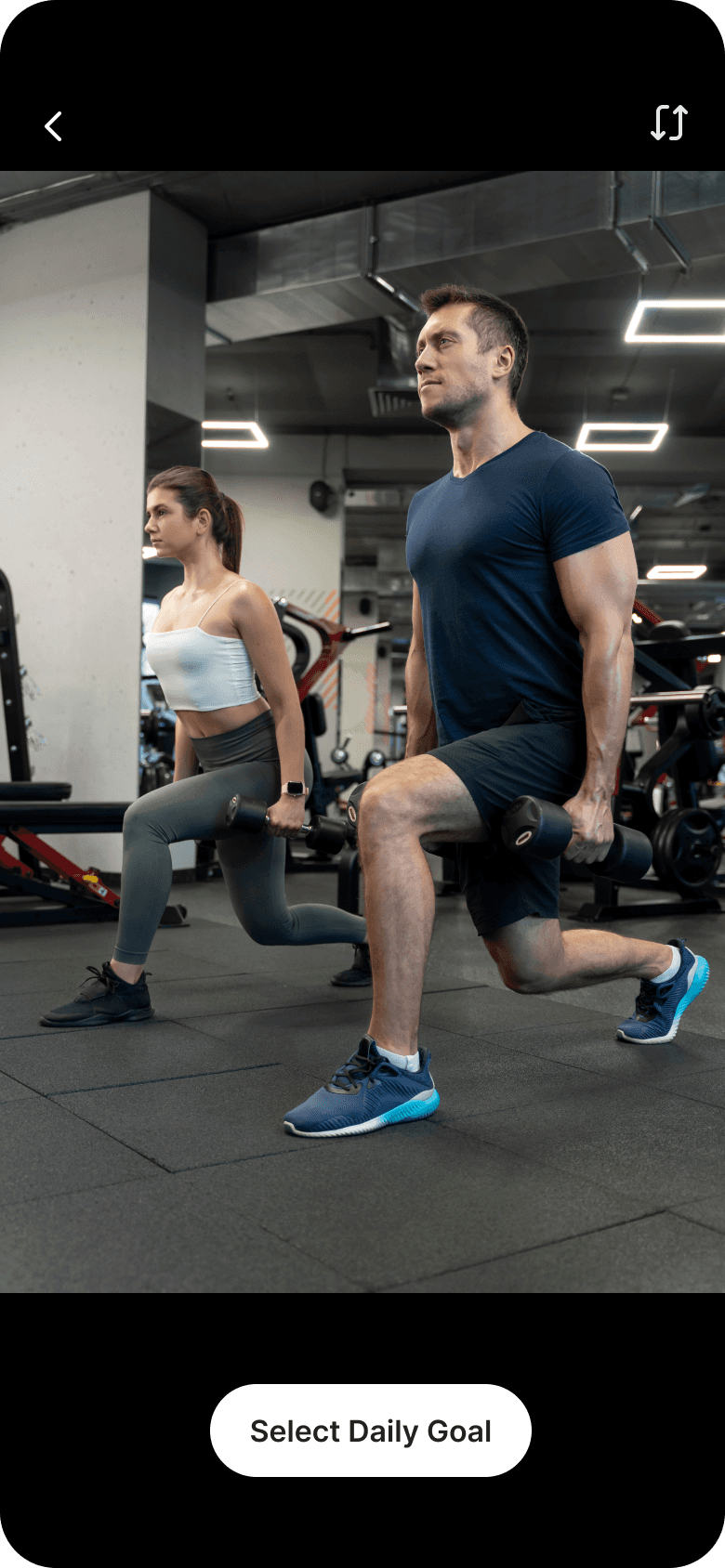
Others captured evidence first (a photo or video), then tied it to a goal
Others captured evidence first (a photo or video), then tied it to a goal
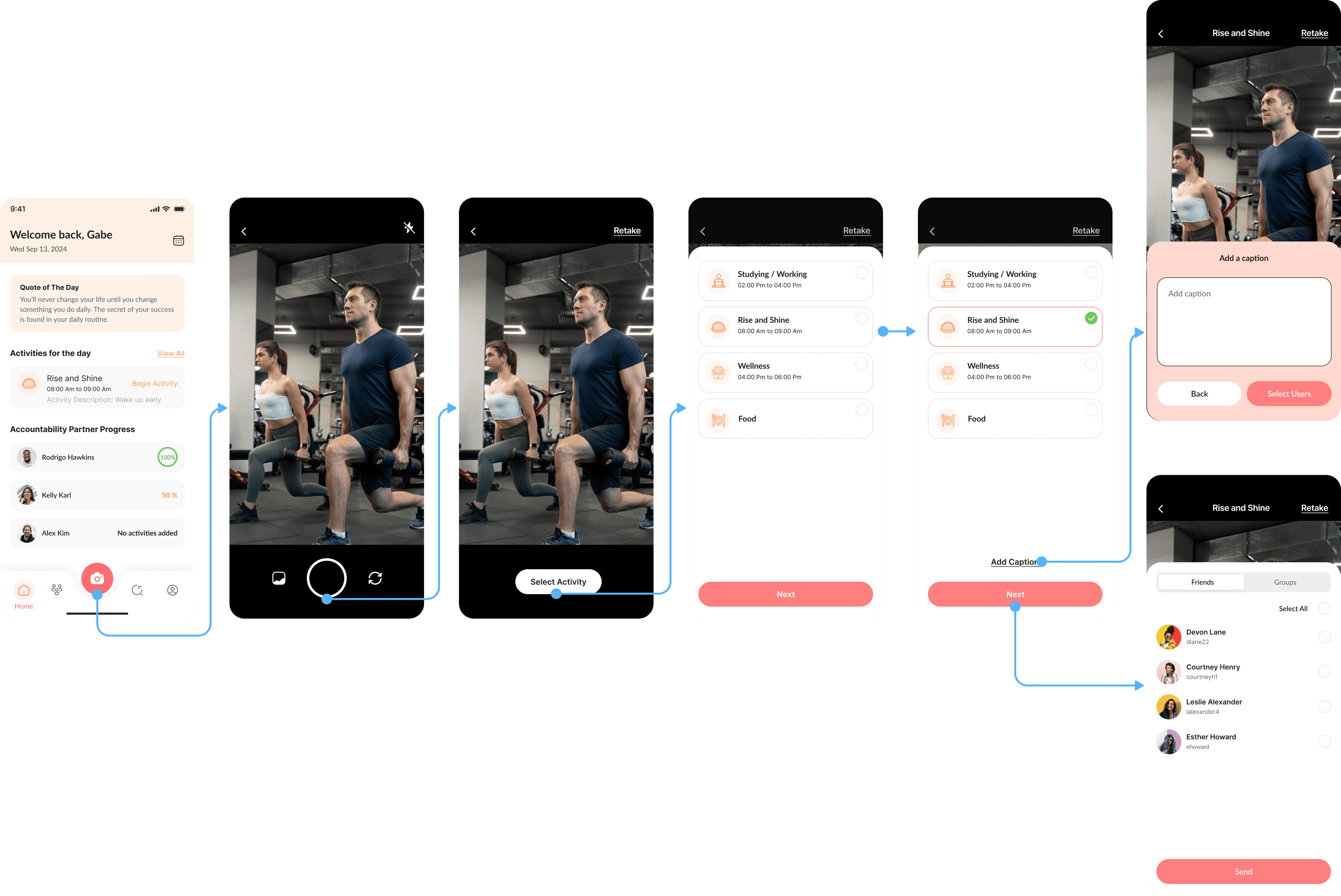
Some started with a goal in mind, then logged it
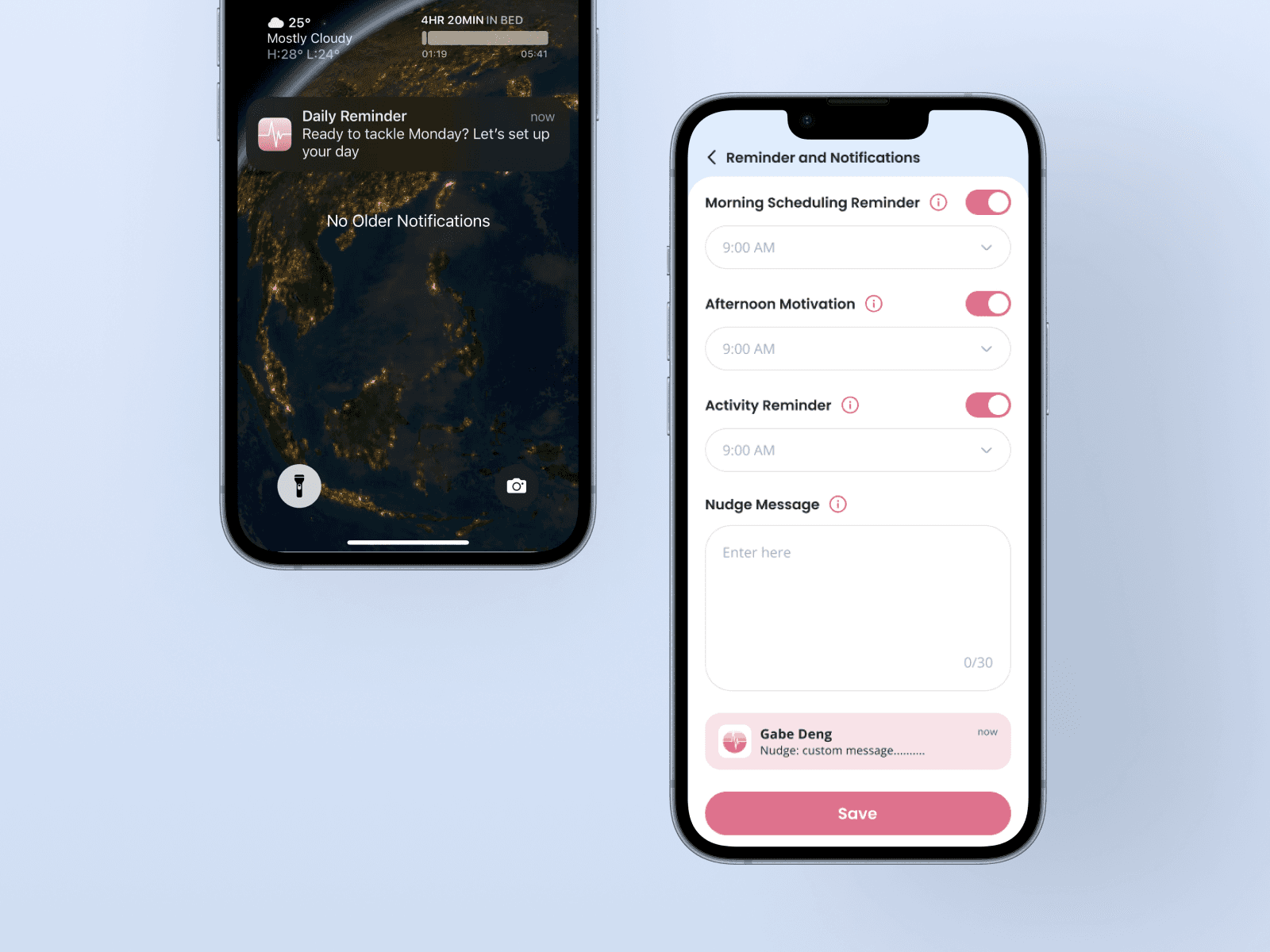
Users often forgot to log habits but they didn’t want generic or nagging push notifications.
So I designed a system that felt supportive instead of stressful:
Custom reminder schedules
Positive, friendly tone
Smart timing based on user behavior (e.g., when they’re likely to skip)
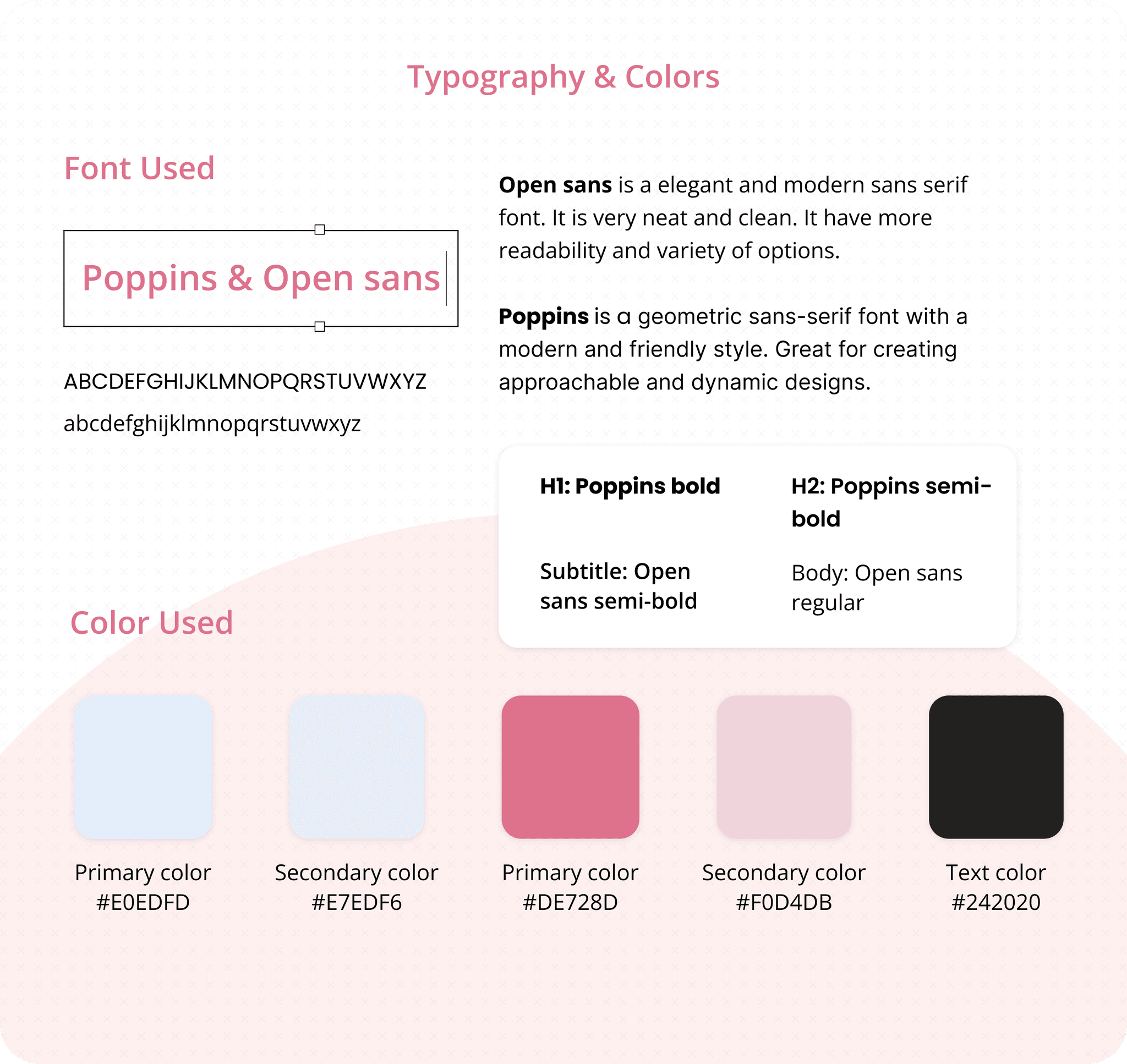
When I joined, there was no design system, which led to inconsistent styles and developer frustration.
My design system improvements included:
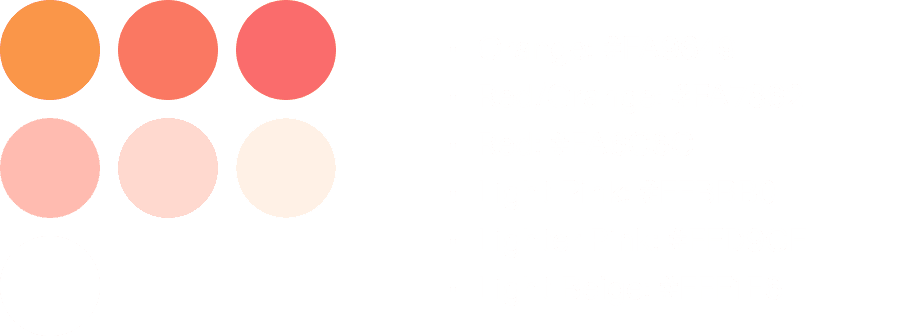
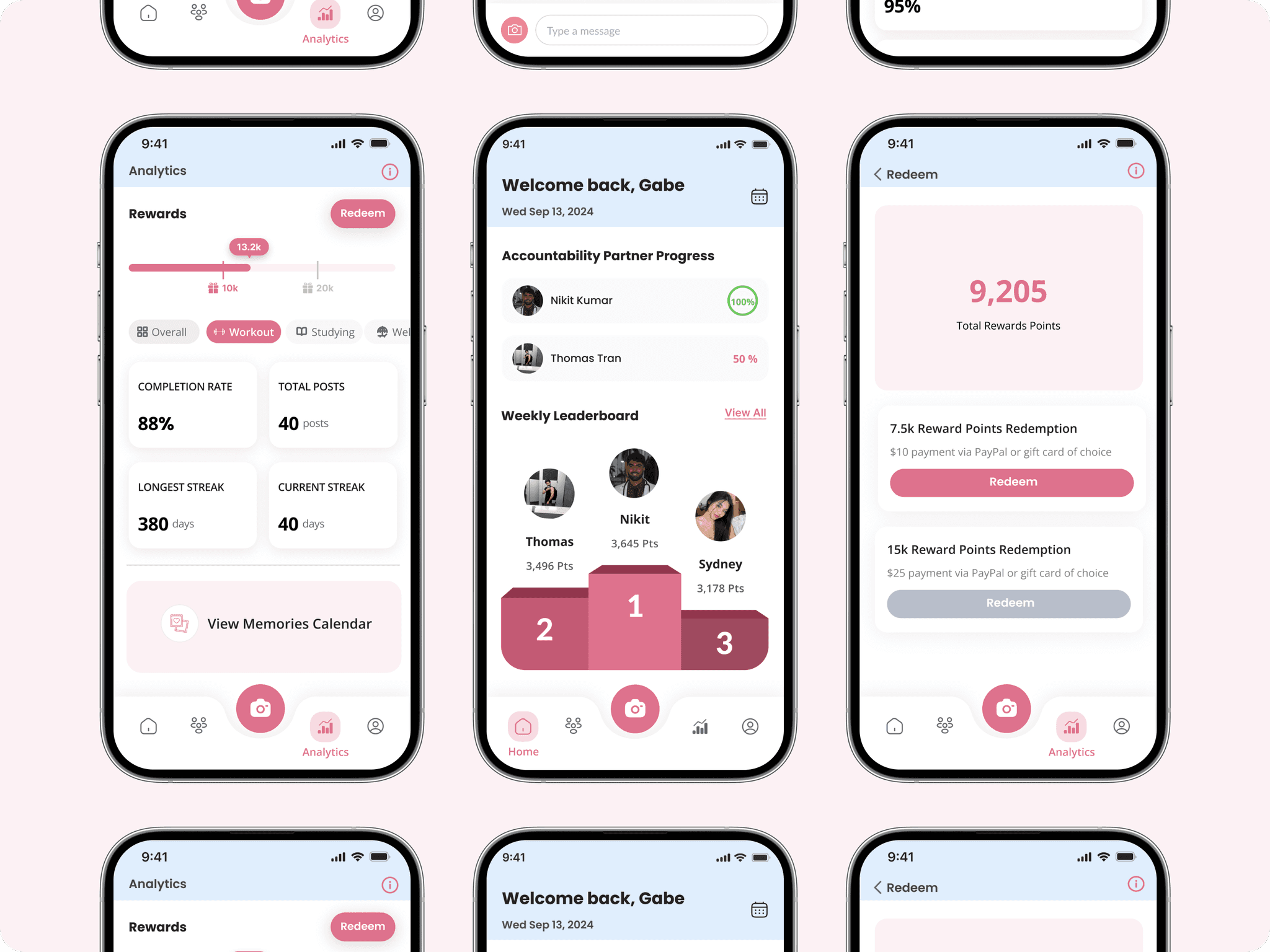
Refined color palette for energy & motivation
Scalable UI components for faster dev handoff
Consistent visual language across pages
Small changes can drive big behavior shifts.
In habit-tracking apps, success doesn’t always come from flashy features, it comes from respecting users’ time, energy, and attention span.
Treat every interaction as a chance to reduce friction
Design flows that adapt to real human behavior, not just ideal scenarios
Balance simplicity with flexibility
Help users feel progress (not pressure)