

Client
Shenzhen People’s Hospital × Stanford
Timeframe
Feb → Mar 2025 (5 weeks)
Toolkit
Figma, HTML/CSS, Javascript
Year
2025
TL;DR
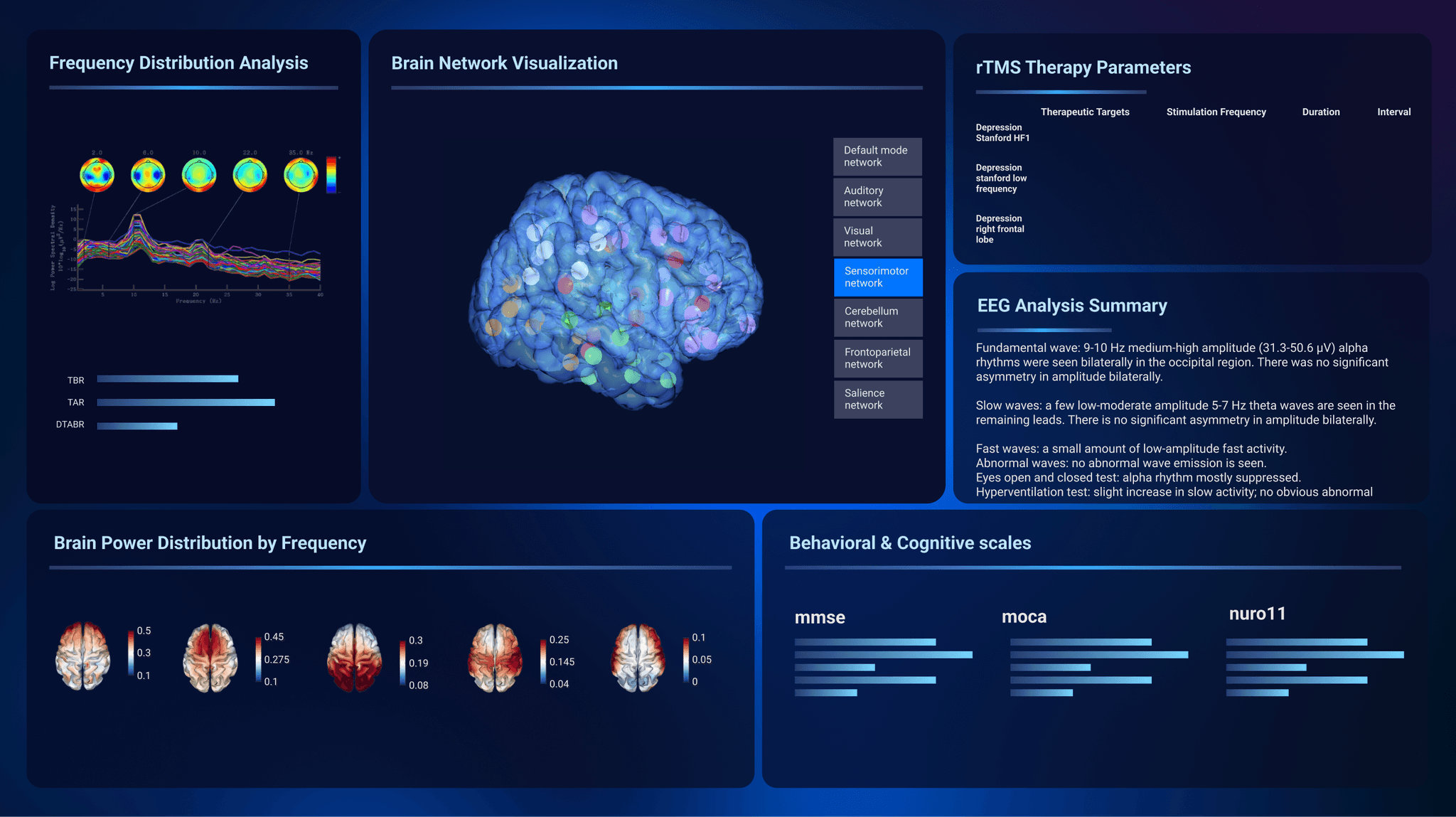
I redesigned a dense and unconvincing medical dashboard into a sci-fi-inspired interface that earned stakeholder trust, won a national clinician vote, and paved the way for live data integration — all in just 5 weeks.
Problem
Before I joined, existing TMS demos looked cluttered, inconsistent, and did not convey reliability in high-stakes training sessions
Outcome
✅ Clinician vote passed → advanced to next phase
✅ Trainers reported higher confidence to proceed
✅ Green-lit for next-phase live-data integration
Project Background
Shenzhen People’s Hospital, in collaboration with Stanford mentors, runs national TMS (Transcranial Magnetic Stimulation) workshops.
Before I joined, existing demos looked cluttered, inconsistent, and did not convey reliability in high-stakes training sessions
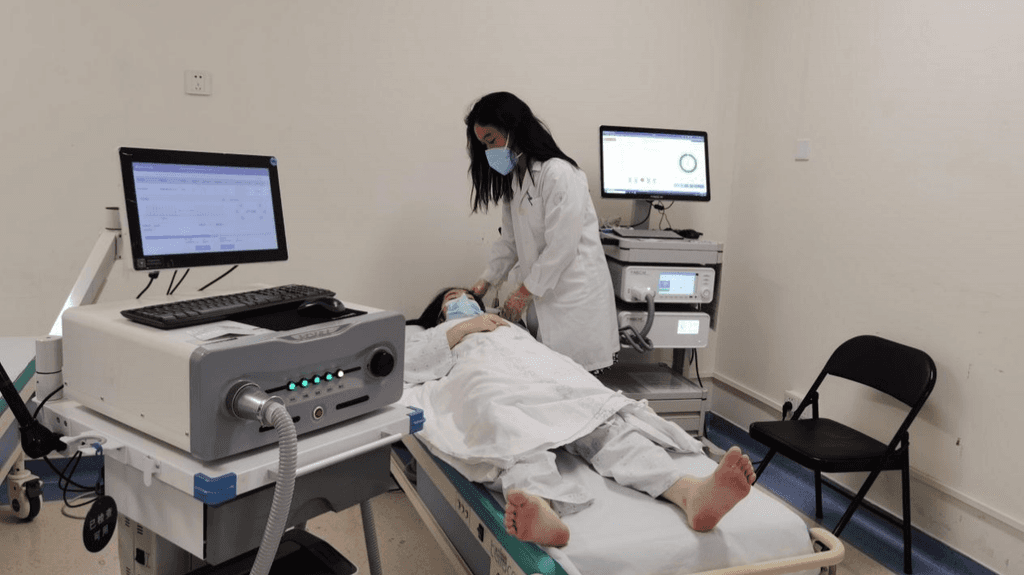
Business Goal
Advance through a national workshop vote and earn stakeholder confidence to proceed to live-data development.
The Ask
Stakeholders asked for “clean and sci-fi,” but what they really needed was clinical confidence.
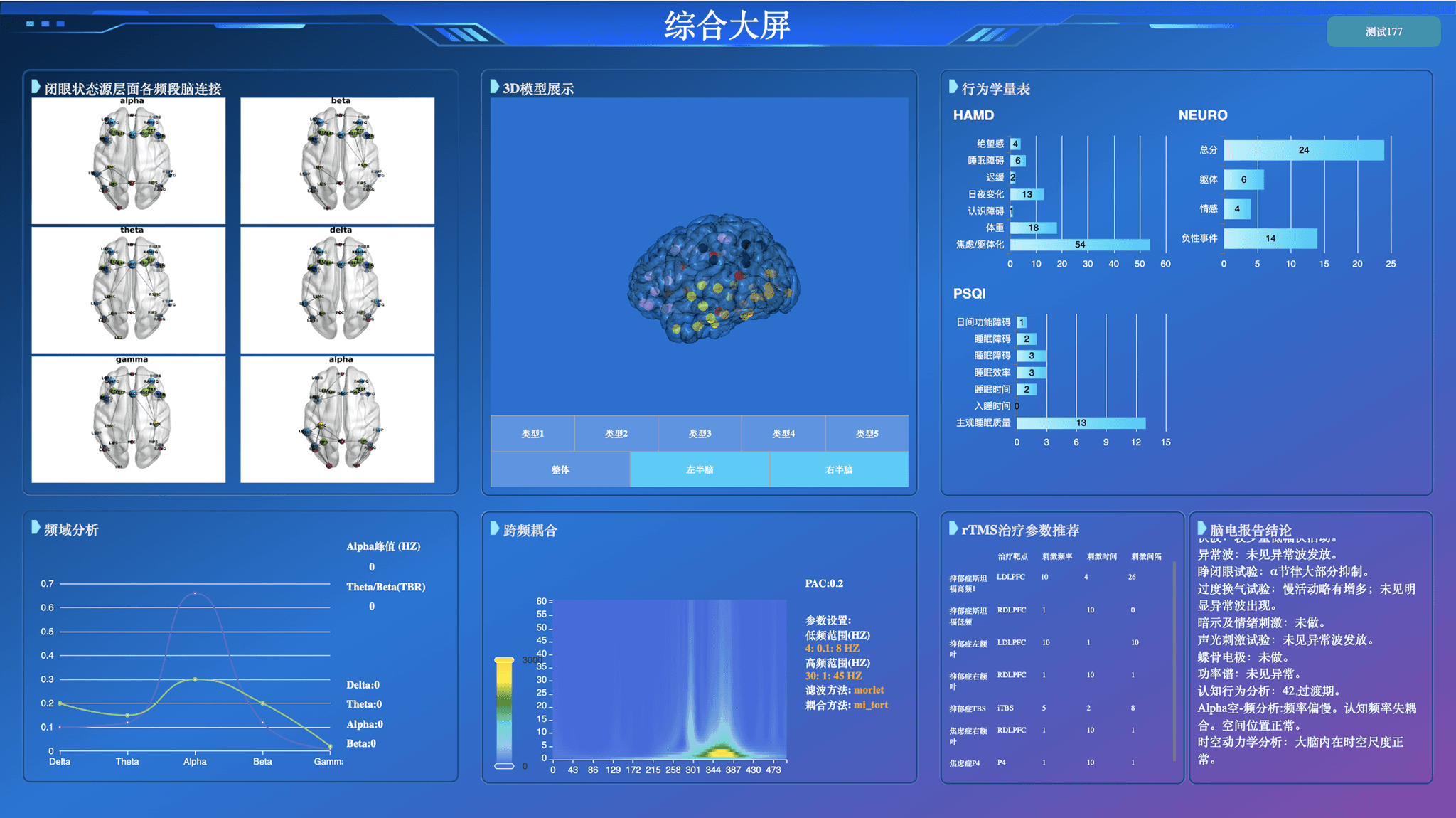
Old demo (cluttered, low projector legibility, unclear provenance).
Research & Discovery
To design credibility, I studied how real systems and sci-fi interfaces convey trust at first glance.
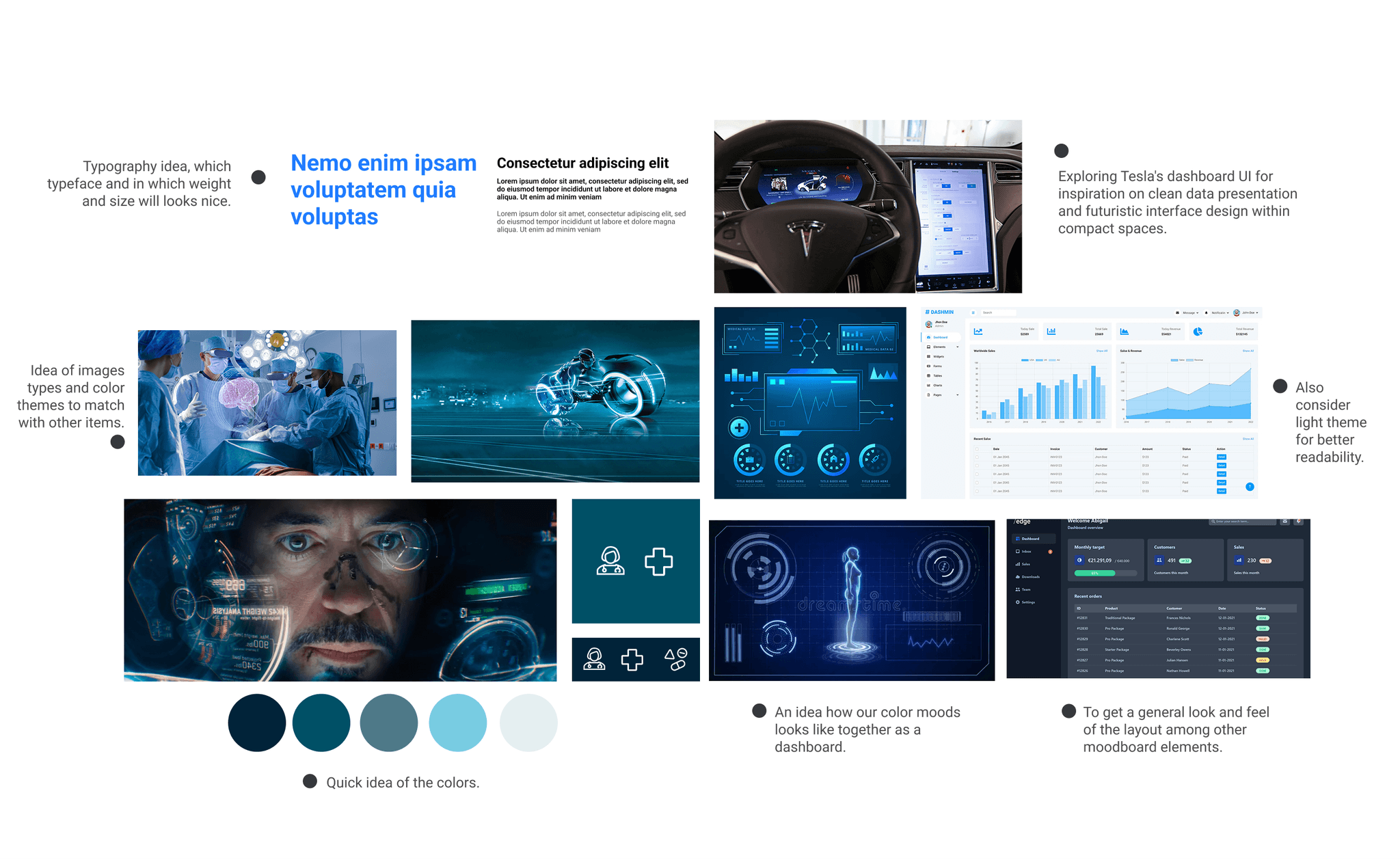
Visual Exploration
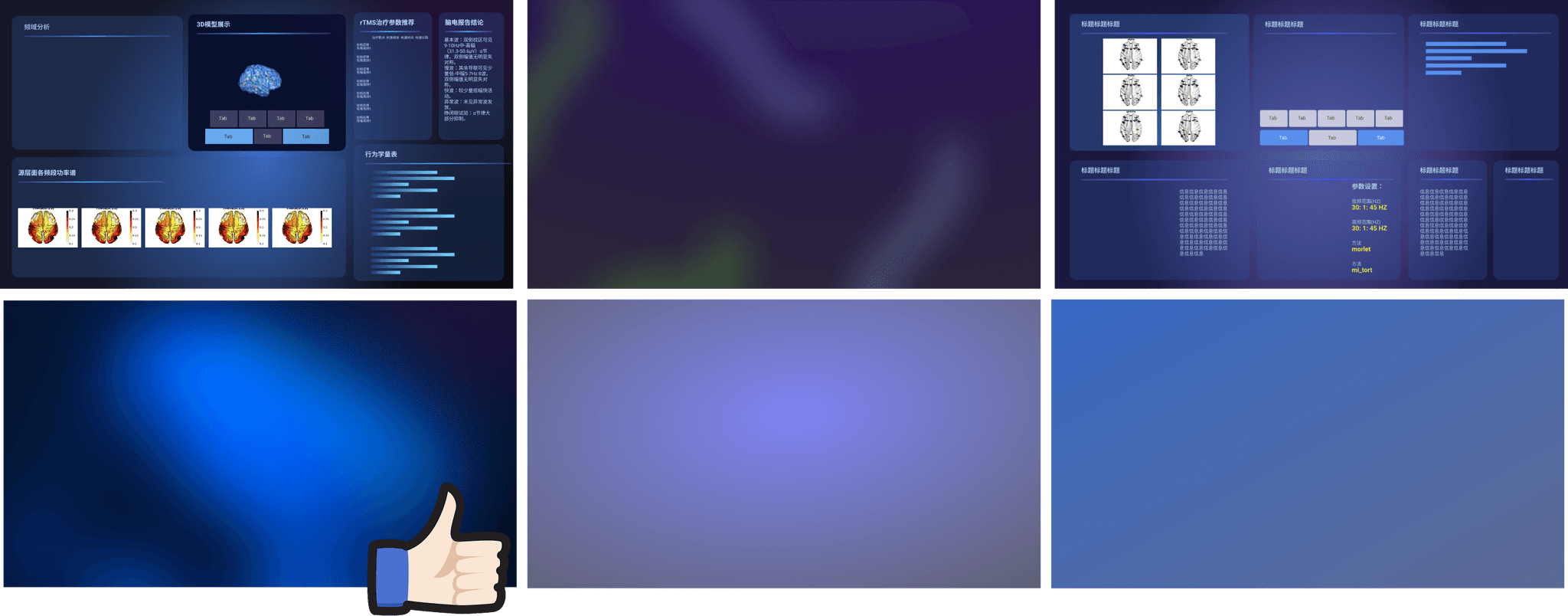
Presented multiple UI concepts to facilitate stakeholder alignment.
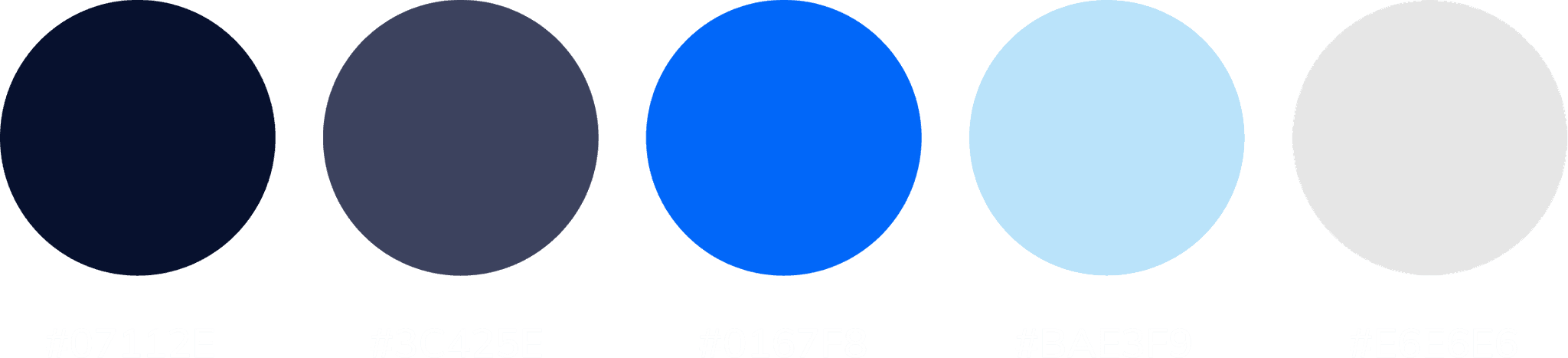
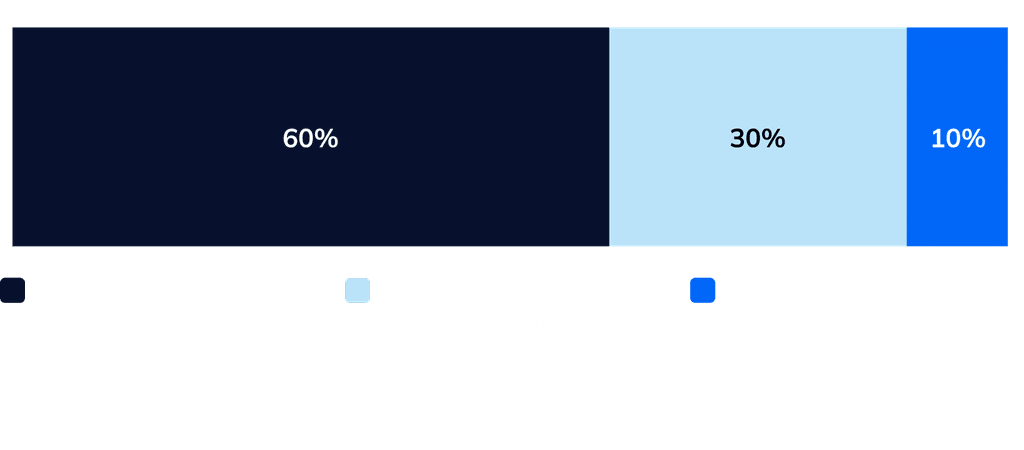
Dark base + high-contrast accents = projector legibility + sci-fi precision
Layout Redesign
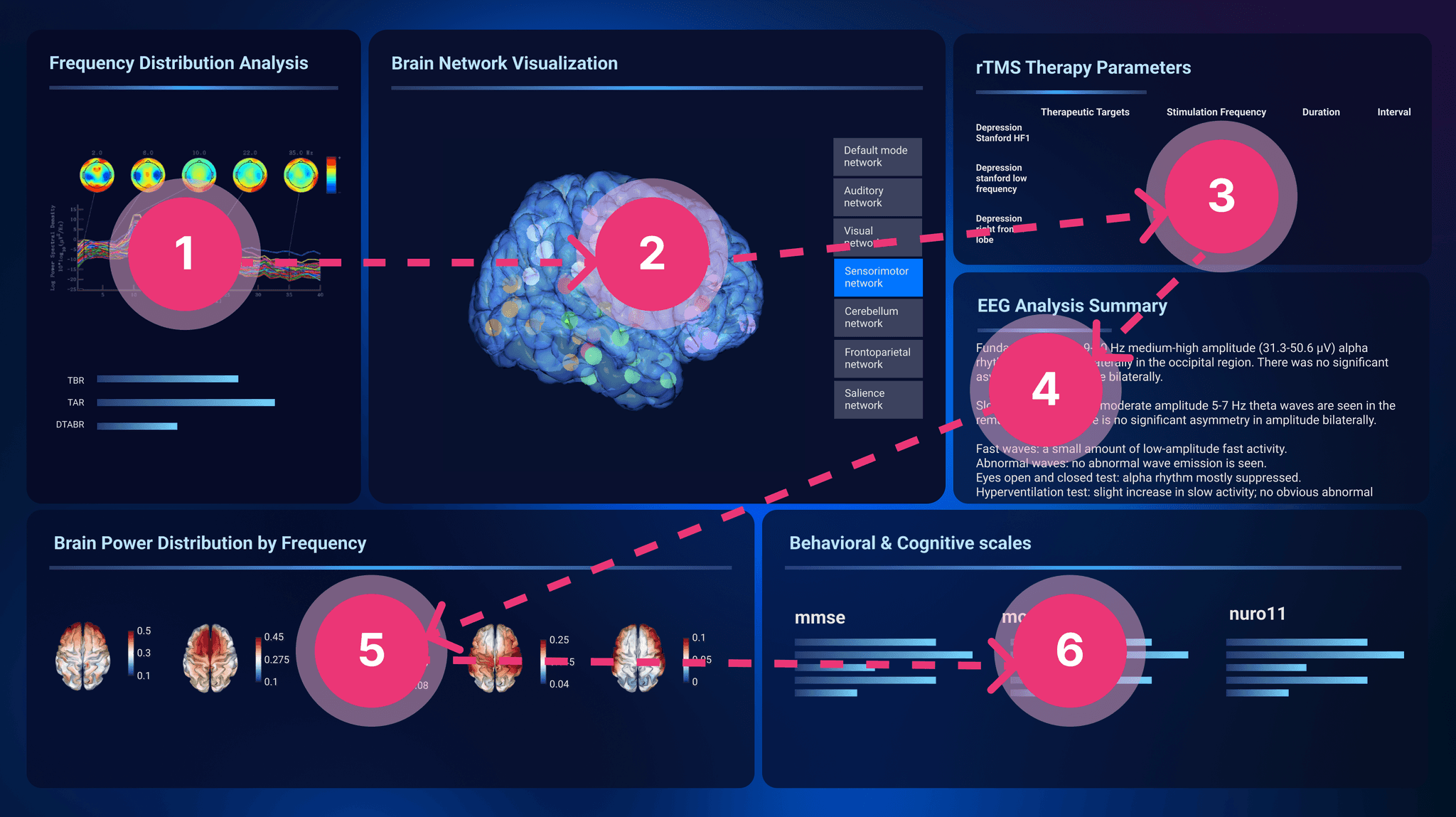
Doctors scan data in a predictable Z-pattern — our layout needed to guide their cognition
Results & Impact
A five-week redesign transformed skepticism into approval — and unlocked the next phase of development.
✅ Clinician vote passed: dashboard approved to move to next phase
✅ Trainers reported higher confidence using the dashboard
✅ Greenlit for live-data integration in Q2 2025
✅ In use at national training workshops
Reflection
Key Learnings
1. Aesthetic feedback = Emotional need
Stakeholders may express trust issues or uncertainty using visual terms. Moodboards and visual options helped translate these emotions into actionable design direction.
2. Design for how doctors think
Aligning layout to cognitive patterns (e.g. scanning behavior) significantly improves comprehension and usability.
3. In clinical UX, design = credibility
Even medical professionals respond to visual polish. A well-designed dashboard signals professionalism and builds trust — which is crucial in high-stakes healthcare contexts.